Locks rarely fail at a comfortable time. They stick on a wet Tuesday morning when you are late for work, snap on a Sunday night when the shops are shut, or seize just as a delivery arrives. After years working around doors, cylinders, and vehicle locks, you learn that most problems fall into patterns. The details can vary across properties in Whitburn, but the underlying faults and fixes track a familiar path. Good locksmiths, the ones who keep their tools clean and their heads clear, diagnose fast and repair neatly without leaving a trail of damage.
This guide walks through the lock issues Whitburn homeowners, landlords, and drivers face most often, and how professionals approach them. You will see where a quick adjustment solves the headache, where replacement makes sense, and when a call to a specialist is worth every pound.
Why locks fail more in Whitburn than you might expect
Salt air travels farther than people think, and East Lothian winds push moisture into door hardware year round. Moisture explains a surprising share of failures, from rust in the spring of a nightlatch to swollen timber that throws a multipoint locking strip out of alignment. Winter cold tightens tolerances. Summer heat expands uPVC and timber, shifting keeps by a millimetre that might as well be a mile.
Add normal wear. A family of four will turn a front door cylinder thousands of times over a few years. Grit works into keyways. Lubricants dry. Keys wear down until they ride too low in the pins. If you manage a few tenancies in town, you will see all of it across different doors. This is where a local tradesperson with Whitburn miles under the belt can save you time. The fixes are not theoretical, they are practiced on the same estate doors and same sash cases your neighbours run.
Stiff or sticking locks on uPVC and composite doors
This is the top complaint in houses fitted with multipoint locks. The handle needs a heave, then the key resists the last turn or refuses to come out cleanly. Many people reach for grease or WD-40. That can mask the problem for a week, then things get worse.
The cause is often alignment, not the cylinder. uPVC and composite doors move with temperature and age. Hinges drop a little, keeps drift out of line, and the locking points bind. Forcing the handle stresses the gearbox and turns a cheap adjustment into a costly replacement.
An experienced locksmith checks alignment before touching the cylinder. The method is simple but precise: lift the handle without engaging the key and feel for resistance as hooks and rollers try to enter their keeps. If the door is catching, the professional loosens keeps, shifts them by one or two millimetres, retightens, and re-tests. On older doors, hinge adjustment brings the slab back square. When done right, the handle lifts with two fingers and the key turns smoothly.
If the gearbox has already suffered, you will feel play in the handle or hear a crunchy grind. At that point, the fix is a replacement of the central gearbox. A competent locksmith identifies the make and backset quickly and fits the correct part from stock. The job, start to finish, often takes under an hour once the door is open. Many Whitburn Locksmiths carry common gearboxes in the van for this reason, because ordering a part and returning two days later leaves people insecure.
Keys that turn but do not unlock
A cylinder that rotates freely without moving the latch usually points to one of three things: a cam issue, a broken tail, or a failed connection inside the lock case.
Euro cylinders drive a cam inside the multipoint. If the cam is misaligned or the cylinder is the wrong type for the case, the key will spin without actuating. Another culprit is a nightlatch on a timber door with a snapped or stripped tailpiece. You feel a light, useless spin, as if the key is attached to nothing. The fix requires the door open first. Professionals try non-destructive techniques such as picking or bypass tools appropriate to the lock. Once open, they remove the cylinder or nightlatch and inspect the interface. A new cylinder with the correct cam profile or a new nightlatch assembly restores function.
Where a mortice lock is involved, the fault may lie inside the sash case. Lever springs can break, levers can jam, and the follower can deform. If the key turns too far with no action, the follower might be damaged. Locksmiths Whitburn who handle older properties keep replacement mortice cases in common sizes, 64 mm and 76 mm, and swap in a British Standard case if the door thickness allows. They will also check that the spindle and furniture align, because a constantly misaligned handle can buckle a follower over time.
Snapped keys and worn key profiles
Keys snap for two main reasons: they are being asked to overcome binding caused by misalignment, or they have thinned to the point where torsion breaks them. Older nickel-silver keys from heavy use polish down along the key shoulder and cuts. You can see it with the naked eye if you compare the suspect key to a fresh copy.
When a key breaks in a euro cylinder, a thin extractor or a jigsaw blade trick can remove it, provided tension is released. If the key is flush or deep, the locksmith may pick the cylinder open or drill at pin level to shear the shear line, then replace the cylinder. Professionals keep plug followers and pinning kits, but field replacement is faster and more economical for a customer than rebuilding a worn cylinder. If the lock is a mortice with a snapped key, extraction relies on leverage and feel through the keyway. A seasoned hand gets it out without swelling the timber or gouging the escutcheon.
The follow-up matters. A snapped key is a symptom. If alignment caused the bind, the locksmith will adjust the keeps or hinges. If wear caused it, you receive new keys cut to code or to a fresh cylinder rather than copying a rounded, tired key yet again. That avoids a repeat call a month later.
Door will not latch unless slammed
Slam-latching is a sign that geometry has drifted. On uPVC, roller or latch position needs a fine tweak. On timber, the latch plate may have shifted or the door may have swollen. In autumn after a wet spell, you see this daily. Slamming eventually cracks glazing units, loosens handles, and can even bend cheap latches.
A practical assessment starts with a pencil line along the door edge against the frame. Close and see where it catches. If the latch is too low, a hinge lift of half a turn on the bottom hinge might fix it. If the door has bowed, easing the strike plate by a few millimetres buys time, though long term you might want the door planed or replaced. Whitburn Locksmiths often carry small files and chisels to shape the strike neatly, then refit with longer screws into the stud for a secure bite.
Gearbox failures in multipoint locks
Gearboxes take abuse from misaligned doors and heavy-handed operation. Common symptoms include the handle going floppy, failing to return, or the spindle turning without retracting the latch. Brands differ, and so do failure modes. Some strip their internal cog teeth. Others shear the internal spring.
A pro does not guess the part. They remove the handle and cylinder, measure the backset, centres, and case size, and often identify by the characteristic shape of the case and the markings. Good practice is to replace only the gearbox rather than the entire strip when possible. It saves money and maintains the original keeps, avoiding a cascade of adjustments. The replacement should be paired with a check of alignment to prevent a repeat.
Mortice lock issues in older timber doors
Traditional sash mortice locks are durable, but they need correct installation and occasional service. The most common faults include levers hanging due to broken springs, a bent bolt tongue, and mismatched key sets after a hurried landlord change.
Pick resistance on older, non-graded locks is not high, but many Whitburn properties now carry British Standard 3621-certified sash locks to satisfy insurers. These have anti-drill plates, hardened pins, and sometimes anti-pick levers in higher grades. When servicing these, a careful locksmith preserves the rebate kit and forend fit. If a replacement is required, they match the forend dimensions to avoid chiseling that weakens the door edge. In terraced houses with slim stiles, the conversation might turn to a smaller case or reinforcing plates to keep the wood strong.
An overlooked issue is key control. Loose keys pass to friends and trades. If you have any doubt who holds keys to a tenancy, a rekey or cylinder swap is cheaper than replacing the full lock. Mortice rekeying takes skill and parts availability, so many opt for replacing the cylinder on a sash lock or swapping the whole case with fresh keys. The aim is to restore security and avoid a patchwork of old holes and filler.

Patio, French, and bifold door complications
Multi-panel doors carry more points of failure. Patio sliders often mislead people into thinking the lock is at fault when the rollers are the culprits. Grit, blown seals, and track damage make the door heavy. The latch or hook then misaligns. The remedy is to lift the door, clean and replace rollers, and reset the lock height. For French doors, misalignment between the active and passive leaf causes shoot bolts to miss their keeps. A few millimetres of adjustment on the top and bottom bolts, plus hinge tweaks, restores a smooth lock-up.
Bifold systems vary widely. The rule is to protect the weak points: replace flimsy euro cylinders with higher-security models, ensure handles and escutcheons shield the cylinder adequately, and keep the track clean. When a bifold refuses to fold or lock smoothly, stop forcing it. Excess force bends hinges and chews gears. A visit from a locksmith who understands the specific system is cheaper than a new leaf panel.
Cylinder security, from budget to high security
Cylinders are not equal. Budget euro cylinders can be snapped or bumped quickly. This is not scaremongering, it is borne out by demonstration. Most professional-grade replacements cost a modest amount and bring significant upgrades: anti-snap lines, sacrificial sections, anti-drill pins, and restricted key profiles that cannot be copied at a corner cutter.
When locksmiths Whitburn recommend a cylinder, they balance cost, risk, and the door’s hardware. An anti-snap cylinder should be paired with reinforced handles. A cylinder protruding beyond the handle is a gift to attackers. Fitment matters more than marketing claims. A solid practice is to measure and order a cylinder that sits flush or just shy of the handle both sides.
On timber doors with nightlatches, upgrade paths include high-security rim cylinders and BS-rated nightlatches with deadlocking functions. These lock the internal snib when the door is shut, defeating a simple credit card attack and reducing risk of slipping through the latch with a looped tool.
The quiet value of non-destructive entry
A clean gain of entry without drilling saves money and preserves security. There is craft here that separates a general handyman from a trained locksmith. Reading pin stacks, feathering tension, listening for binding, and exploiting manufacturing tolerances takes practice. With the right approach, a euro cylinder opens in minutes without damage, the customer steps inside, and the cylinder remains reusable if no security upgrade is needed.
There are times for drilling. A snapped cam or a dual-clutch jam can block any rotation. Then the locksmith drills at a precise height to part the pins or to break the cam. Drilling is methodical, not brute force. The door and handle remain intact. Afterward, a quality replacement goes in, aligned properly, and the system often works better than it did before the failure.
Auto lock and key problems around Whitburn
Cars live rough lives. Keys drop, fobs meet washing machines, and barrels wear. Auto locksmiths Whitburn cover a different toolkit and knowledge base than domestic lock work. Expect specialist gear to decode locks, cut laser keys, and program transponders.
Lost car keys are the classic call. A professional derives the key code from the vehicle identification or by decoding the door lock, cuts a new blade on site, and then programs a new transponder chip to the car’s immobiliser. Programming ranges from simple OBD plug-in processes to more involved procedures with PIN codes, depending on the make and year. Some vehicles require security tokens from the manufacturer, which adds time. A realistic window for a straightforward job is 30 to 90 minutes.
When a key is locked inside the car, avoid the coat hanger. Modern cars use deadlocks and side airbag wiring in the door. A slip can be expensive. Auto specialists use targeted bypass tools and inflatable wedges to create a gap without bending the frame, then reach approved points to unlock. If the car has deadlocked, they may pick a lock cylinder or, rarely, access through the boot where design allows.
Ignition problems show up as keys that do not turn or that turn and do nothing. Wear in ignition wafers is the usual suspect. Auto locksmiths can rebuild an ignition barrel with a repair kit that includes new wafers and springs, keyed to your existing key so you do not have one key for the door and another for the ignition. Where the immobiliser is at fault, diagnostics confirm whether the issue is the key chip, reader coil, or the ECU handshake.

Remote fobs fail most often due to battery depletion or water damage. A replacement shell and battery might be all you need. If the PCB is gone, a new remote is programmed to the car. Shops that claim to program any remote sometimes overpromise. A cautious pro will explain what is supported, what requires a dealer, and what the cost difference looks like.
When repair beats replacement, and when it does not
A skilled locksmith does not leap to replacement. On uPVC doors, a gearbox swap often restores a system for a fraction of the cost of a full door strip. On mortice locks, replacing a failed case and keeping the same furniture saves the door edge. On cylinders, replacing a worn budget unit with a quality anti-snap model is straightforward, affordable, and delivers better security.
Replacement is the sensible choice if a lock design is obsolete, unsafe, or outside insurance standards. A wafer-thin nightlatch with no deadlocking should go. A cylinder that protrudes like a chimney needs to be changed. If a multipoint strip is twisted or rusted along its length, fit a new strip. Time spent resurrecting a doomed mechanism is not good value for the customer.
Costs, timeframes, and what affects both
Professional costs vary with the job and the parts. A non-destructive gain of entry on a standard domestic door with proof of occupancy often lands in a reasonable, fixed-callout range. Add parts for a cylinder or gearbox and the price scales with quality. Anti-snap cylinders cost more than budget ones, but the difference is modest given the security uplift.
Timing depends on stock. Many Whitburn Locksmiths carry the common lengths and backsets in vans: 30-30, 35-35 euro cylinders, standard backsets like 35 mm and 45 mm gearboxes, and a few popular mortice cases. If your door uses an obscure brand or an odd size, expect a return visit. Weather can also add time. Adjustments in midwinter may need a revisit in summer, because the door’s behavior changes with temperature.
A fair locksmith will explain the options before starting and give a clear indication of cost thresholds. They will also ask for proof of right to enter the property or vehicle. That is not awkwardness, it is basic ethics and legal protection for everyone involved.
Practical steps you can take before calling a locksmith
This short checklist can prevent a small issue from turning into a major failure, and it helps the locksmith help you faster:
- Check alignment first. Lift the handle slowly with the door open. If it is smooth open and stiff closed, the door needs adjustment, not more force. Avoid oil-based sprays in cylinders. Use a graphite or PTFE-based product sparingly if you must, and never flood the keyway. Try the spare key. If a spare works better, your primary key is worn. Get copies cut from the good key, not the tired one. Note the symptoms. Does the handle feel loose? Does the key turn fully or stop short? Sharing precise behavior saves diagnosis time. For cars, note the make, model, year, and where all keys are. If any key is lost, say so. It may need deleting from the car’s memory.
How to choose the right locksmith in Whitburn
A solid local tradesperson adds two things you cannot order online: judgment and aftercare. On a cold night with a jammed door, both matter. Look for clear communication, transparent pricing, and a van that shows signs of actual work rather than a pristine, unused tool set. Ask whether they stock anti-snap cylinders and common gearboxes. If the conversation includes brands, backsets, and alignment checks, you are likely speaking to someone who knows the territory.
Local knowledge also matters for vehicles. Auto locksmiths Whitburn who regularly handle specific makes will tell you which keys must be ordered coded, which can be cloned on site, and how long immobiliser pairing will take. They will warn you if a second visit is likely because a manufacturer gatekeeper delays a security token.
Finally, consider preventative work. If your property still uses cylinders from more than a decade ago, plan an upgrade. If rain blows against your front door, invest in better weather seals and regular hinge checks. If a tenant reports a sticking lock, treat it as urgent. A small adjustment now avoids a 10 pm failure later.
What professionals carry in the van and why it matters
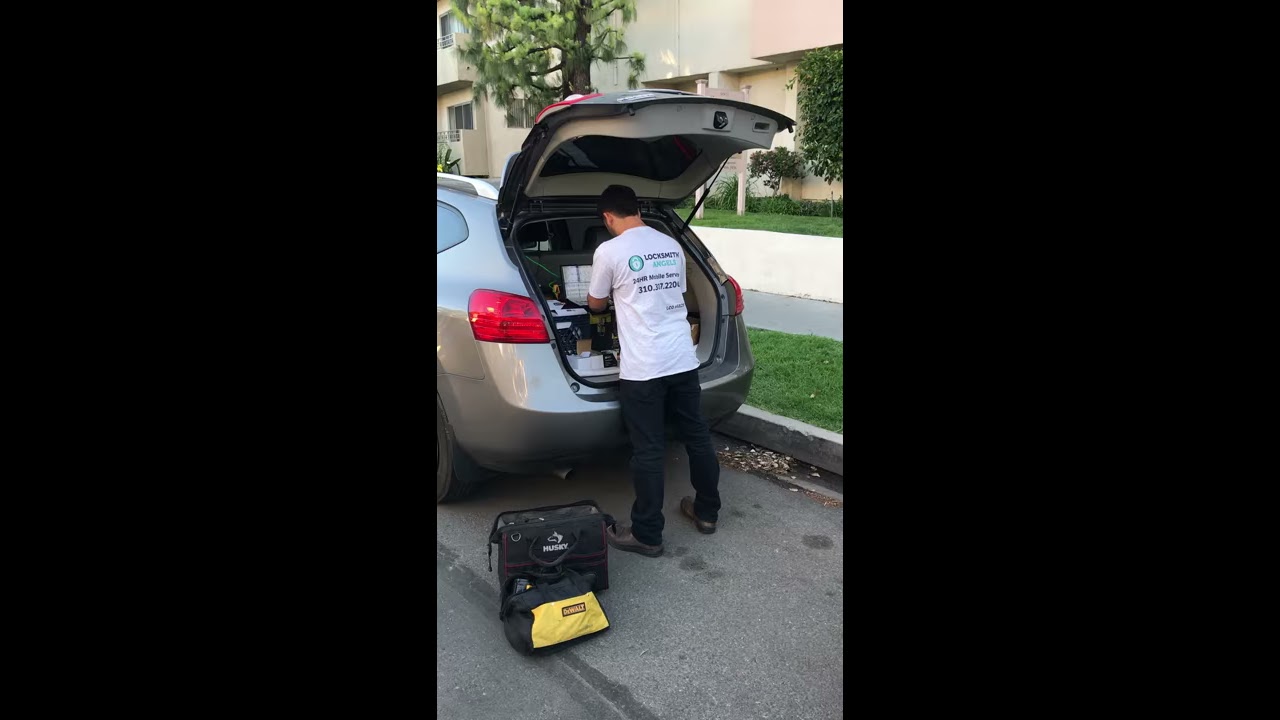
The right kit makes the difference between a two-hour struggle and a clean 30-minute fix. A well-equipped locksmith carries a modest but focused inventory. Expect a selection of euro cylinders in common sizes, including anti-snap variants. Gearboxes for the popular multipoint locksmiths whitburn brands are standard stock, plus handles with variable centers for quick swaps. For timber, mortice locks in 64 mm and 76 mm with BS ratings, rim cylinders, and a quality nightlatch or two cover most needs.
Tools range from pick sets and decoders to spindle pullers, followers, spreader tools for handles, hinge-adjustment keys, and files. Consumables include graphite or dry PTFE lubricant, Loctite for screws, and longer woodscrews for strike reinforcement. For vehicles, cutting machines, EEPROM tools for advanced programming, and a selection of remote shells and batteries complete the picture. When a locksmith arrives with this kit, your odds of a first-visit resolution increase significantly.
Security, insurance, and the small print
Insurers specify standards for locks on final exit doors and accessible windows. The British Standard 3621 mark on a sash lock, and TS007 ratings for cylinders and handles, come up often in policy terms. If your locks do not meet these, a claim after a theft can become messy. A straightforward upgrade aligns your home with policy requirements. Local locksmiths can certify the standard of the fitted hardware on your invoice, which helps with documentation.
Also consider key control. Restricted key profiles stop casual duplication. For HMOs and holiday lets in and around Whitburn, this reduces risk from circulating copies. The trade-off is that new keys must be cut by authorized centers, which costs more and takes time. For many landlords, that cost is justified by the reduction in unaccounted keys.
A note on emergency work and etiquette
When you are locked out, stress runs high. A calm professional sets expectations. They confirm identity, explain the likely entry method, and give a clear price band. Once inside, they secure the property. If a lock needs to be drilled, they replace it immediately. If a window was used, they secure it properly. Good etiquette on both sides keeps the encounter smooth. Be ready to show ID or proof of tenancy. If you cannot, expect the locksmith to ask for a police presence or a landlord contact. This keeps everyone safe.
For late-night work, understand that parts availability narrows. A temporary measure may be used, with a follow-up the next day for the exact part. This is normal. Many Whitburn Locksmiths offer 24-hour service, but not every job at 2 am should include a full hardware upgrade. The priority is to get you in and keep you secure until morning.
The bottom line
Most lock problems have simple, durable solutions when diagnosed with care. Real fixes start with alignment and end with the right hardware installed correctly. Whether you are dealing with a uPVC door that refuses to lift, a tired mortice in a Victorian terrace, or a lost car key on a wet night, an experienced locksmith Whitburn residents trust will get you sorted with minimal fuss and no drama. The work may look like magic from the outside, but it leans on predictable causes, practiced techniques, and a van full of the right parts. When it is done right, the door closes with a click, the key turns easily, and you can forget about the lock for a long while.